Paint prep is the difference between a quick cover-up and a finish that looks clean, performs well, and holds up over time. Most paint problems do not begin with the final coat. They begin with the surface underneath it. If a wall, cabinet, door, trim board, or exterior siding is dirty, glossy, damaged, damp, loose, or poorly sealed, paint has to fight against those conditions from the first day. That is why professional painters spend so much time preparing before the color goes on.
Preparation is not one single step. It is a sequence of decisions based on what the surface needs. Some projects require simple cleaning and light sanding. Others need scraping, patching, caulking, spot priming, stain blocking, mildew treatment, or full primer coverage. The goal is always the same: create a clean, sound, properly profiled surface so the coating can bond and dry the way it was designed to.
Paint needs something solid to hold onto
Paint adhesion depends on the condition of the existing surface. If old paint is peeling, chalky, glossy, dusty, or contaminated, a new coat may not bond correctly. On exterior projects, siding and trim often collect dirt, pollen, mildew, salt air, and moisture. In Hampton Roads, humidity and coastal weather can make exterior prep especially important. Washing removes buildup that would otherwise sit between the surface and the new coating.
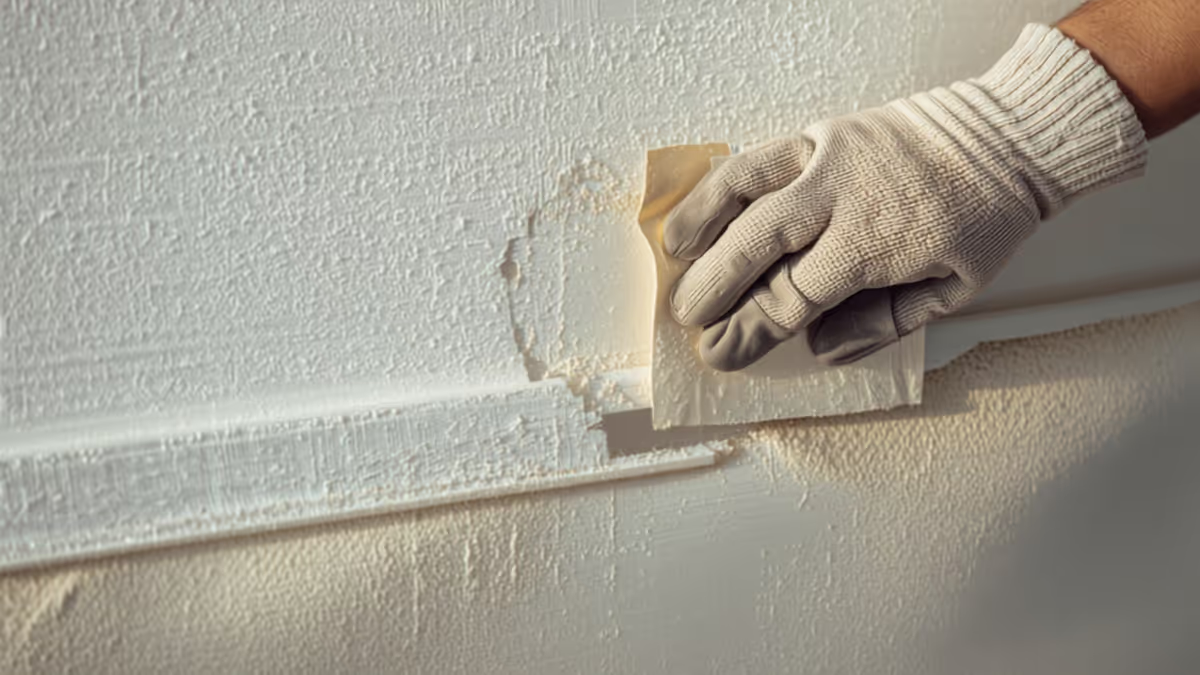
Scraping and sanding are just as important when old coatings are loose or rough. If peeling paint is left in place, the new paint may temporarily cover it, but the weak layer underneath can still fail. Sanding helps smooth edges, reduce rough texture, and create a better surface for primer and finish coats. It is not glamorous work, but it is one of the main reasons a finished project looks professional instead of patched together.
Repairs protect the final look
Interior paint highlights surface imperfections, especially when light hits the wall from a window or fixture. Nail pops, dents, settlement cracks, tape seams, and previous patch marks can become more visible after fresh paint is applied. Repairing these areas before painting helps the final finish look smoother and more intentional. Drywall patching, texture blending, sanding, and spot priming all contribute to a cleaner result.
Trim, doors, and cabinets need the same attention. Gaps at casing, baseboards, or crown molding can make a room look unfinished. Caulking helps close those lines and creates a crisp transition between painted surfaces. Cabinet doors and trim may need degreasing, sanding, and bonding primer because they are touched often and usually have smoother, harder finishes than walls. Skipping those steps can lead to chipping, poor coverage, or an uneven sheen.
Primer solves specific problems
Primer is not always required over every surface, but when it is needed, it matters. Primer can seal porous patches, block stains, improve adhesion, even out surface absorption, and help with major color changes. New drywall, repaired areas, bare wood, stained surfaces, and glossy materials often need primer before finish paint. Without it, the topcoat may flash, look uneven, or fail sooner than expected.
Stain blocking is especially important around water marks, smoke residue, tannins, or other discoloration. Painting directly over a stain may look fine at first, but the mark can bleed back through later. A properly selected primer helps isolate the stain so the finish color stays clean. This is one of those details homeowners may not notice during prep, but they definitely notice when it is skipped.
Exterior prep has higher stakes
Exterior painting has to stand up to sun, rain, wind, temperature changes, humidity, and daily exposure. That means preparation has to address more than appearance. Loose caulk around windows and trim can allow moisture behind boards. Bare wood can absorb water. Mildew can return if it is not cleaned correctly. Cracked or failing paint can keep peeling under a new coat if it is not removed.
A good exterior prep plan may include pressure washing, scraping, sanding, caulking, spot priming, and checking problem areas before paint is applied. Weather also matters. Painting too soon after washing, during high moisture, or in poor conditions can affect drying and adhesion. Professional scheduling is part of prep because the surface has to be ready, not just available.
Prep saves money over time
It is tempting to see prep as extra labor, but it is actually what protects the investment. A paint job that skips cleaning, repairs, sanding, caulking, or primer may cost less up front, but it can fail faster, require more touch-ups, and look less polished. Proper preparation helps the coating last longer and makes the finished work easier to maintain.
The best paint projects are built from the surface outward. Color, sheen, and product selection matter, but they cannot overcome poor preparation. When the prep is done right, the final coats lay smoother, cover better, and look more consistent. For homeowners and business owners, that means a better-looking space and fewer surprises after the crew leaves. Prep is not the part of painting you skip. It is the foundation that makes the visible result possible.