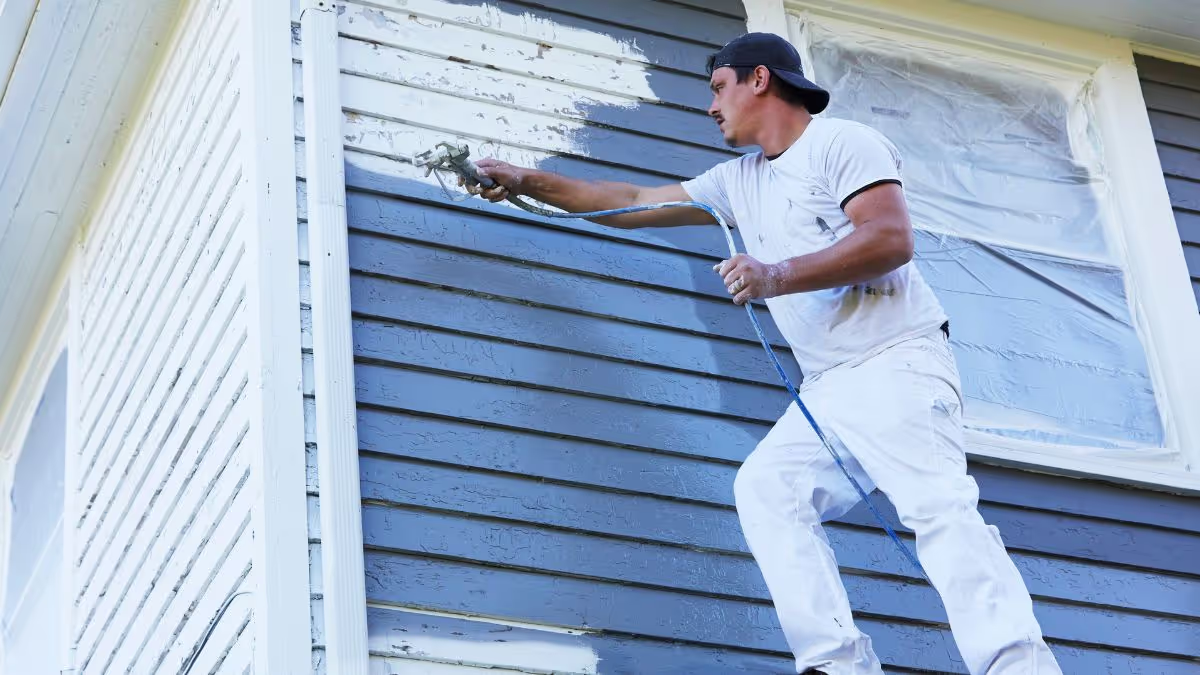
Exterior paint does more than improve curb appeal. It is part of the protective system that helps a home stand up to sun, rain, humidity, and changing temperatures. In Hampton Roads, that job can be demanding. Summer heat, afternoon storms, moisture, pollen, and coastal air can all affect siding, trim, doors, and other exposed surfaces. By late July, homeowners have usually had several months of weather that can reveal where a paint system is starting to fail.
Waiting until a small issue becomes a large one can turn a straightforward painting project into a repair project. A little peeling on a window sill, a dark stain on shaded trim, or a thin crack in old caulk may not feel urgent on its own. But those conditions can let moisture reach the materials underneath. An exterior inspection before fall gives you time to identify the work, plan around the weather, and protect the home before cooler and wetter conditions arrive.
1. Paint is peeling, cracking, or bubbling
Peeling paint is the clearest sign that an exterior surface needs attention. It can happen when the coating loses its bond with the surface below, often because moisture, age, poor preparation, or movement in the material has weakened that bond. Cracking and bubbling can point to similar issues. Fresh paint applied over a weak layer may improve the look temporarily, but it will not solve the underlying adhesion problem.
Look closely at window trim, fascia, doors, porch railings, and lower sections of siding. These areas often get more moisture, direct sun, or physical wear than broad wall surfaces. A professional exterior painting project starts by finding and removing loose material, smoothing the transition between sound paint and bare areas, and priming exposed surfaces when needed. The finish coats only perform well when the surface underneath is clean, dry, and stable.
2. Your color looks faded, chalky, or uneven
Strong sunlight slowly breaks down exterior coatings. A once-even color may begin to look dull, washed out, or noticeably different on one side of the house. Some painted surfaces also develop a powdery residue called chalking. If you run a hand across the siding and find a light, dusty film, the coating may be weathering and losing its ability to protect the surface as intended.
Fading is not always an emergency, but it is worth evaluating. South- and west-facing walls often receive the most direct sun and can show wear sooner than shaded elevations. When a house is repainted at the right time, prep can focus on cleaning, sanding, and spot repairs instead of more extensive restoration. A consistent finish also improves the way trim, doors, shutters, and architectural details work together visually.
3. Caulk around trim, windows, and doors has failed
Caulk is a small detail with an important job. It closes joints where different materials meet, such as along window trim, door frames, corner boards, and fascia. Over time, caulk can shrink, crack, pull away, or become brittle. Once gaps open, water can work behind the paint and into vulnerable edges of wood or trim.
Walk around the home and look for dark gaps, split caulk lines, or places where trim no longer meets the siding cleanly. Do not assume a new coat of paint will seal these areas by itself. Proper exterior preparation includes removing failed caulk where necessary, cleaning the joint, using the correct replacement material, and allowing it to cure before painting. This kind of detail work is one reason exterior painting is as much about protection as it is about color.
4. Mildew, algae, and staining keep coming back
Hampton Roads humidity can make shaded and slow-drying areas especially prone to mildew and algae. You may notice dark green, black, or gray staining on siding, near gutters, under eaves, or behind landscaping. Surface growth should be treated as a maintenance signal, not simply covered with paint. Painting over contamination can interfere with adhesion and allow the appearance to return quickly.
Cleaning is a critical first step. Depending on the surface and condition, that may involve appropriate washing, mildew treatment, rinsing, and enough drying time before any coating work begins. This is also where pressure washing can support an exterior painting plan. The goal is not to use force where it could damage a surface; it is to remove the buildup that would prevent paint from bonding correctly.
5. Wood looks exposed, soft, or damaged
When paint no longer seals exposed wood, the material can absorb moisture more easily. Watch for bare spots, rough grain, soft areas, splintering, or dark discoloration around trim boards, columns, rails, and window sills. These issues deserve attention before paint is selected because a coating is not a substitute for repairing damaged material.
A careful assessment separates cosmetic wear from a repair need. Sound wood may only need cleaning, scraping, sanding, and primer. Wood that has deteriorated may need repair or replacement before the painting process begins. Addressing that sequence protects the finished appearance and helps prevent a new coat from failing over an old problem. It also gives homeowners a clearer estimate of the work instead of discovering hidden issues after a project starts.
6. Moisture marks appear near joints and trim
Water staining, blistering, or recurring discoloration around windows, doors, gutters, and rooflines can suggest that moisture is reaching the surface or moving behind it. Paint can reveal these concerns, but it may not be the original cause. Overflowing gutters, missing flashing, leaking joints, or poor drainage should be investigated before repainting the affected area.
This is why an exterior painting consultation should look beyond color. The right approach identifies whether the surface is dry, whether repairs are needed, and whether the source of moisture has been addressed. Once those conditions are under control, priming and finish coats can do the job they were designed to do: create an even, durable protective layer over a prepared surface.
7. The last project is no longer performing well
There is no universal calendar for repainting a house. Different materials, colors, exposures, preparation methods, and products age differently. Instead of repainting based only on how many years have passed, evaluate performance. If several of the signs on this list are showing up at once, it is time to plan. A whole-house repaint may be appropriate, or a focused project on trim, doors, siding, or a single elevation may be the better next step.
Late summer is a practical time to assess the exterior because weather-related problems are visible and there is still time to coordinate a project before fall. Chris Quality Painting provides exterior painting in Hampton Roads with attention to cleaning, scraping, caulking, priming, and weather-conscious scheduling. If you see peeling paint, recurring staining, failed caulk, or exposed wood, request an on-site assessment. A clear plan now can help protect your home and keep a small repair from becoming a larger one.