
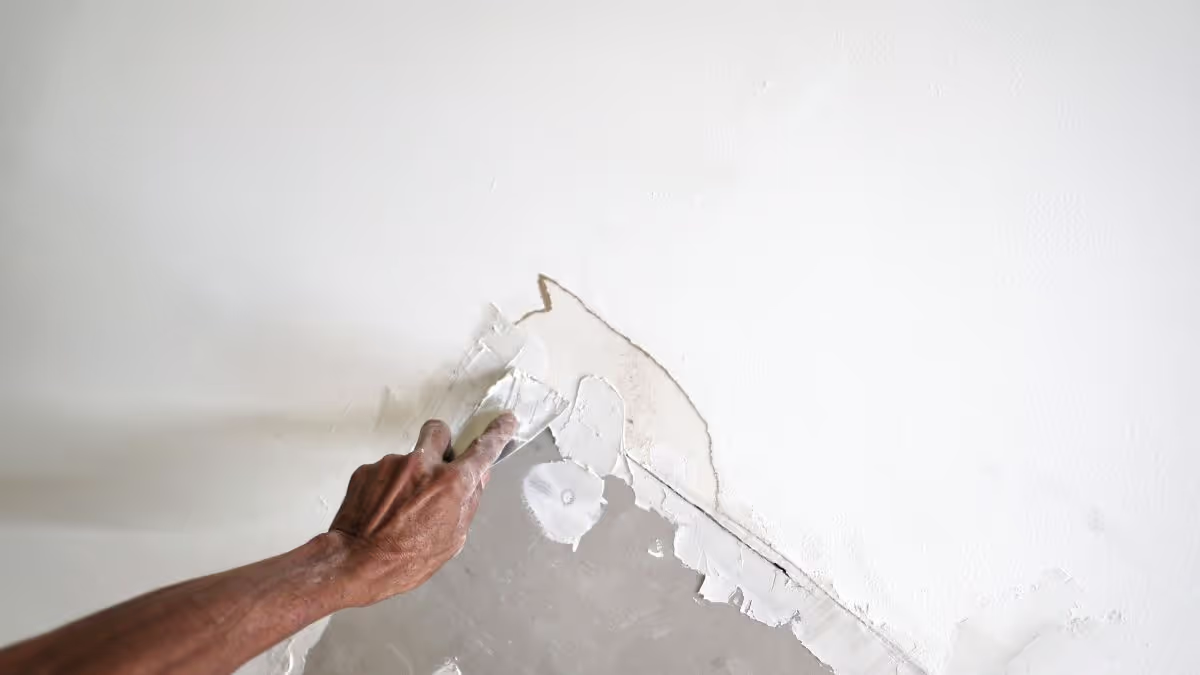
Drywall damage is easy to notice and easy to underestimate. A dent from moving furniture, a nail pop, a small hole, or a rough patch after an old repair can make an otherwise clean room feel unfinished. Many of these issues can be repaired and prepared for paint. But not every crack or stain is simply a paint problem. The right first step is to understand whether the surface has a cosmetic defect or whether something behind the wall, above the ceiling, or around the opening needs attention first.
For Hampton Roads homeowners, moisture and seasonal movement can make this distinction important. Painting over an active stain, a damp patch, or a recurring crack may make the issue disappear briefly, but it does not resolve its cause. A careful drywall and painting plan identifies what can be repaired for a smooth finish and when a homeowner should pause to address a larger concern before cosmetic work begins.
Common drywall issues that are often paint-ready
Small holes from picture frames, minor dents, shallow scratches, popped fasteners, and ordinary wear around doors and hallways are common paint-ready repairs. The process usually involves removing loose material, applying the appropriate patching compound, sanding the area smooth, checking the surface in good light, and priming repaired spots before paint is applied. The goal is not just to fill a hole. It is to blend the repair so the wall reads as one even surface after the final coat.
Minor seams and old patch edges may also need attention. A wall can look acceptable until new paint or natural light makes every uneven transition visible. Proper preparation takes time because each layer must dry and be evaluated before the next step. This is why a quality drywall repair scope is valuable before an interior repaint.
Watch for moisture stains and soft surfaces
Brown or yellow ceiling stains, bubbling paint, soft drywall, musty odors, or areas that feel damp should be treated differently from ordinary cosmetic wear. These signs may indicate a roof leak, plumbing leak, condensation issue, or another moisture source. The source should be identified and corrected before the drywall is sealed, repaired, or painted.
Once the area is dry and the cause has been addressed, the damaged material can be assessed for repair or replacement. Painting too early can trap the homeowner in a cycle of recurring stains and peeling finishes. A painter can help explain what needs to be paint-ready, but active leaks and moisture conditions should be resolved by the appropriate professional first.
Recurring cracks need a closer look
Hairline cracks can appear as a home settles and materials expand or contract. Some may be minor and repairable. However, cracks that keep returning after repair, grow wider, run diagonally from windows or doors, appear with other changes, or occur alongside sticking doors and uneven floors deserve further evaluation before cosmetic repairs are made.
The purpose of this step is not to alarm homeowners or diagnose a structural condition from a wall surface alone. It is to avoid covering a symptom without understanding whether the underlying movement is ongoing. Once the relevant cause is addressed, drywall repair and interior painting can restore the appearance of the room with a more reliable result.
Know the difference between patching and matching
Filling damage is only part of drywall work. The repaired area also needs to match the surrounding wall texture and level of smoothness. This can be challenging around orange-peel texture, knockdown finishes, ceiling repairs, or long seams. A patch that looks flat from one angle may stand out when daylight hits it from the side.
A professional repair plan considers texture, sheen, and light exposure before paint is selected. Flat paint may hide some minor variations, while satin or glossier finishes can highlight them. The same is true for dark colors and strong natural light. Evaluating these factors early allows the painter to recommend the repair and finish approach that best suits the room.
Drywall prep before an interior painting project
Before a larger interior painting project, walk through each room and mark dents, nail holes, cracks, stains, and damaged corners. Note whether the issue is old and stable or whether it has changed recently. Photos can be useful when requesting an estimate, but an on-site assessment is the best way to understand the surface condition.
Preparation may include patching, sanding, caulking small trim gaps, spot priming, and protecting floors and furnishings. When these steps are planned before color goes on the wall, the finished paint job looks cleaner and more intentional. Skipping them may save time at the beginning but can make imperfections more noticeable after the project is complete.
When to request an on-site assessment
Request an assessment when you see recurring cracks, water stains, loose drywall tape, large holes, damaged corners, or repairs that have never blended properly. It is also useful before listing a home, after a plumbing repair, or when refreshing several rooms at once. A clear scope separates the cosmetic work that can be handled during painting from issues that must be corrected first.
Chris Quality Painting provides drywall repair and interior painting for Hampton Roads homes. The team focuses on preparing sound surfaces for a clean finished coat, including patching, sanding, blending, and paint-ready preparation. If you are unsure whether a wall problem is ready for paint, schedule an on-site estimate. You will get a practical plan for the visible repairs and clear guidance on when a condition should be addressed before the painting process begins.