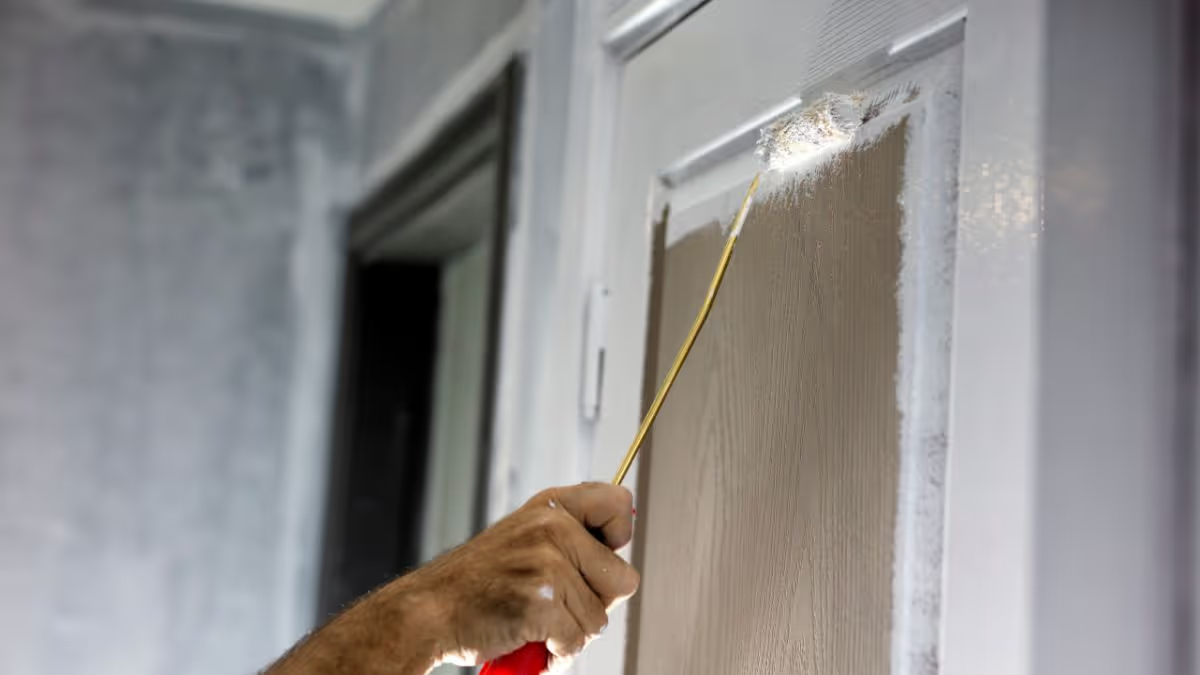
Fresh wall color can transform a room, but the details around the walls often determine whether the project looks truly finished. Doors, baseboards, crown molding, window casing, and door frames create the clean lines that define each space. When those elements are scuffed, yellowed, chipped, or covered with old uneven paint, even a newly painted wall can look incomplete. A coordinated door and trim painting project brings the room together and gives the entire interior a more polished appearance.
In Hampton Roads homes, doors and trim take a lot of daily wear. Baseboards are bumped by vacuums, toys, and furniture. Door frames collect hand marks and scratches. Window trim can show failed caulk or old paint buildup. High-touch doors become dull around knobs and edges. These surfaces may seem secondary when planning a repaint, but they are at eye level and along every transition in the home. Giving them proper attention is one of the most effective ways to improve the final result of an interior painting project.
Doors and trim frame the entire room
Trim is not just a border. It creates separation between walls, floors, ceilings, windows, and doors. When it is clean and evenly finished, it makes wall colors look sharper and architectural details look intentional. When it is chipped or uneven, it draws attention away from the rest of the room.
This is especially noticeable in spaces with open sight lines. A hallway may connect several bedrooms, a living room may open into a dining area, or a staircase may create a visual path through multiple floors. Consistent doors and trim help those spaces feel connected. Homeowners can choose a classic white, a warmer neutral, or a contrasting color, but the finish needs to be prepared and applied carefully to look deliberate rather than patched together.
Preparation is what creates crisp details
Door and trim painting begins with preparation, not the finish coat. Painted woodwork often has dents, nail holes, caulk gaps, old drips, rough brush marks, and worn areas near handles or corners. These conditions need to be cleaned, repaired, sanded, and evaluated before new paint is applied. Skipping those steps can leave visible defects that become more obvious under a fresh sheen.
Caulking is particularly important around trim joints, window casing, baseboards, and door frames. Small gaps can make a room look unfinished and collect dust over time. The correct caulk, applied to a clean joint, creates a smoother transition before painting. A professional also considers where caulk should not be used, such as joints that need to move or surfaces where it may create a maintenance problem. Good details are not accidental; they come from treating each joint and edge according to its purpose.
Doors need a durable, even finish
Interior doors experience more physical contact than most walls. They are opened, closed, cleaned, bumped, and touched every day. The finish on a door needs to look smooth, but it also needs to stand up to normal use. That means cleaning the surface thoroughly, addressing damaged areas, sanding as needed, selecting an appropriate primer when required, and using a finish suited to the material and location.
Flat, hollow-core, paneled, and previously painted doors can all need different attention. Paneled doors have edges and profiles that require careful application to avoid runs and missed areas. Doors with old layers of paint may need extra sanding to reduce rough buildup around hinges, panels, or edges. The goal is a consistent finish that does not distract from the room when the door is open or closed.
Sheen changes how trim looks and performs
Sheen affects both appearance and maintenance. Trim and doors are commonly finished in a more durable sheen than walls because they receive frequent handling and cleaning. However, a higher sheen can also reveal imperfections more easily. That is why surface preparation matters more on trim than on a broad wall painted in a lower sheen.
The right choice depends on the condition of the surface, the amount of traffic in the room, the lighting, and the homeowner's design goals. A painter should explain the options in clear terms and help select a finish that complements the wall color while remaining practical for the space. The result should be easy to maintain without looking overly glossy or highlighting defects.
When to include trim in an interior repaint
It is often smart to include doors and trim when repainting walls if the existing woodwork is visibly worn, if the wall color is changing significantly, or if the goal is to prepare the home for sale. Painting only the walls can make aged baseboards and doors stand out more by contrast. Including the details at the same time creates a coordinated result and reduces the need to protect newly painted walls during a separate trim project later.
That does not mean every project must include every door and every piece of trim. A focused update can work well in a single room, around a stairway, along a main hallway, or in high-traffic areas. An on-site estimate helps define the practical scope and identify which surfaces will make the biggest visual difference.
Repairs should be completed before paint
Damaged trim and door frames sometimes reveal issues that paint alone cannot solve. Loose boards, damaged corners, water staining, broken casing, or large gaps should be assessed before coating begins. Likewise, dents or holes in nearby walls may need drywall repair before the trim is finished. Addressing those items in the right order protects the quality of the completed work.
A clear project plan separates surface preparation from repairs that need additional attention. This gives homeowners a more accurate understanding of the work and keeps the finish process from covering problems that should be resolved first.
A small detail with a major impact
Door and trim painting may not be the first thing people notice when planning an interior update, but it is often what makes the difference between refreshed walls and a fully finished room. Clean edges, smooth doors, consistent baseboards, and properly sealed casing bring structure to the color scheme and improve how the home feels day to day.
Chris Quality Painting provides door and trim painting and interior painting across Hampton Roads. If your walls are ready for a refresh but your doors, baseboards, and molding are showing wear, request an on-site estimate. A detailed plan for prep, repairs, finish selection, and protection can give your home the clean, complete appearance that a quality interior project deserves.