Painting estimates can look similar at first glance, especially when each one includes a short description and a total price. The problem is that two estimates for the same room or exterior can describe very different scopes of work. One may include careful preparation, repairs, primer, and two finish coats. Another may include only a quick coat over existing surfaces. Comparing the final number without comparing the work behind it can lead to surprises after the project begins.
For homeowners in Hampton Roads, a clear estimate matters even more because humidity, rain, salt air near the coast, older trim, and surface wear can affect the preparation a project needs. The right painter should be able to explain the plan in plain language. You do not need to know every product specification before requesting an estimate, but you should know what questions reveal whether the scope protects your home and matches your expectations.
1. What surfaces are included?
Start with the basics. An estimate should identify the rooms, elevations, or areas being painted and state what is included. For an interior project, ask whether the quote covers walls only or also ceilings, doors, baseboards, crown molding, window trim, closets, and stairwells. For an exterior project, ask whether it includes siding, trim, shutters, doors, railings, fascia, soffit, porches, or detached structures.
Vague descriptions such as “paint living area” or “paint exterior” leave too much open to interpretation. A clear scope gives both the homeowner and the painting team a shared definition of the project. It also makes it easier to compare another quote fairly. If one estimate includes trim and doors while another includes walls only, the lower price is not necessarily the better value.
2. What preparation is included?
Preparation is where professional painting projects are won or lost. Interior prep may include protecting floors and furniture, filling nail holes, repairing minor dents, sanding rough areas, caulking gaps, spot priming, and addressing stains. Exterior prep can include washing, mildew treatment, scraping loose paint, sanding edges, replacing failed caulk, and priming exposed surfaces.
Ask the painter to describe those steps specifically. “Prep as needed” is not enough when you are comparing estimates. If your walls have visible repairs, if exterior paint is peeling, or if trim has open caulk lines, the estimate should explain how those conditions will be handled. For larger wall issues, a separate drywall repair scope may be appropriate before interior painting begins.
3. Are repairs included, and what is excluded?
Every home has a different level of wear. Small patching and touch-ups may be included, while water-damaged drywall, rotten wood, extensive wallpaper removal, major cracks, or structural concerns may require separate work. That is normal. The important thing is that the estimate makes the distinction clear before the project starts.
Ask what happens if the team finds a hidden issue during preparation. A professional answer should explain how you will be informed, how options will be reviewed, and whether extra work requires approval. This prevents the project from becoming a surprise and helps you understand which conditions are cosmetic painting work and which need repair before coating can proceed.
4. What products and finish will be used?
The estimate should identify the paint brand, product line when practical, sheen, and color plan. Brand alone is not always enough because manufacturers offer different products for different durability and surface needs. Interior walls, trim, cabinets, siding, doors, and porches may need different coating systems.
For example, a high-traffic hallway may need a finish that stands up to regular cleaning, while exterior surfaces need products appropriate for sun, moisture, and weather exposure. On a cabinet project, cleaning, sanding, primer, and finish compatibility matter as much as the color. Asking these questions does not mean you need to choose every technical detail yourself. It means you should receive a clear explanation of why the selected system fits your project.
5. How many coats are planned?
Coat count affects coverage, appearance, and the project timeline. The estimate should state whether it includes primer, spot primer, and the planned finish coats. Coverage can vary based on the existing color, the new color, the condition of the surface, and the product being used. A substantial color change may need additional attention to achieve an even result.
A good estimate does not promise that every situation is identical. It explains the expected scope and identifies what may require a conversation. This is especially useful when comparing a detailed quote with one that simply says “paint as needed.” Clear coat expectations help avoid arguments about whether a surface looks finished when the job is complete.
6. How will the home and landscaping be protected?
Protection and cleanup are part of professional workmanship. For interiors, ask how furniture, floors, counters, fixtures, and adjacent rooms will be protected. For exteriors, ask how landscaping, windows, walkways, roofs, and outdoor furniture will be handled. The work area should remain organized, and the project should include daily cleanup expectations.
These details matter because painting happens in lived-in homes, not empty showrooms. A team that plans protection before opening a can of paint is more likely to manage the rest of the work carefully. It also gives you a practical basis for preparing the home before the start date.
7. What schedule factors could affect the project?
Interior projects can be affected by repair needs, drying times, access to rooms, and the number of colors. Exterior projects are especially dependent on weather. Rain, overnight moisture, high humidity, and temperature changes can affect when cleaning, prep, primer, and finish coats can be completed. In Hampton Roads, responsible scheduling means watching conditions rather than forcing paint onto a surface that is not ready.
Ask for the expected sequence of work and the factors that could change it. The right answer is not a promise that weather will never cause a delay. It is a realistic plan for communicating if conditions require a change. That kind of transparency protects the quality of the finish.
8. Is the estimate clear enough to compare?
Before choosing a painter, place the estimates side by side and compare scope, prep, repairs, products, coats, protection, schedule, and exclusions. Ask for clarification in writing when something is unclear. A detailed estimate is not automatically the most expensive one, but it is much easier to evaluate honestly than a one-line total.
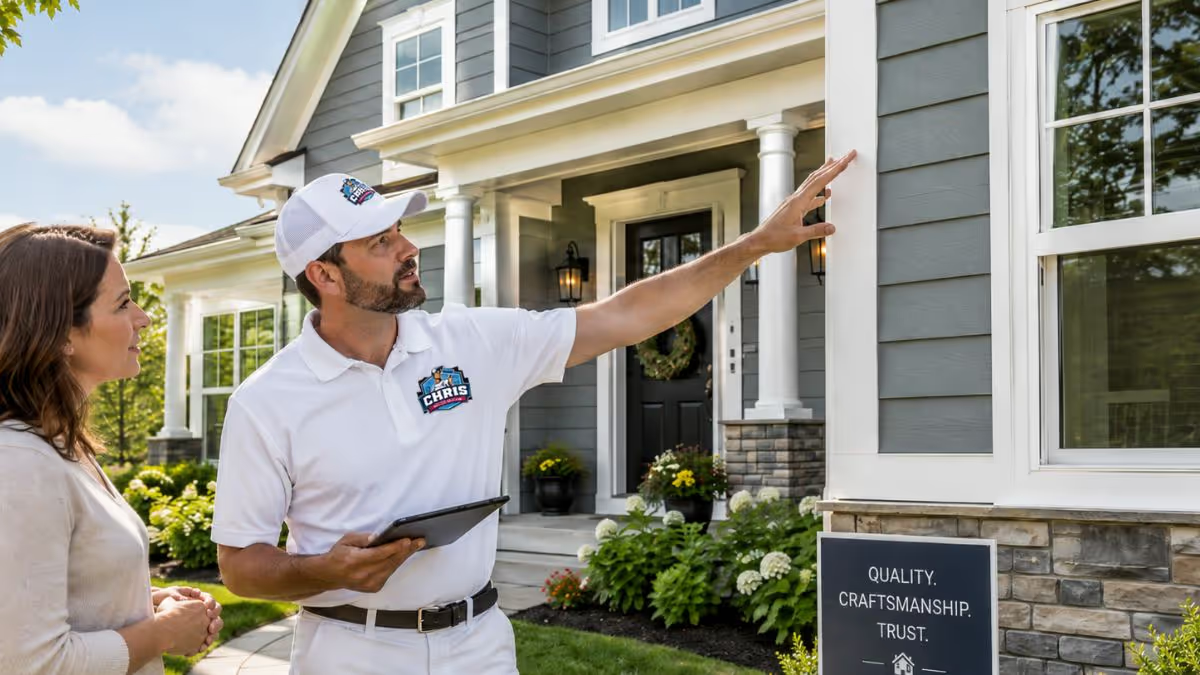
Chris Quality Painting provides interior painting, exterior painting, cabinet work, and surface preparation across Hampton Roads. When you request an on-site estimate, the goal is to define the work clearly so you know what your home needs and what the finished result should include. The best estimate is not simply the lowest number. It is the one that gives you a complete, understandable plan for a properly prepared project.