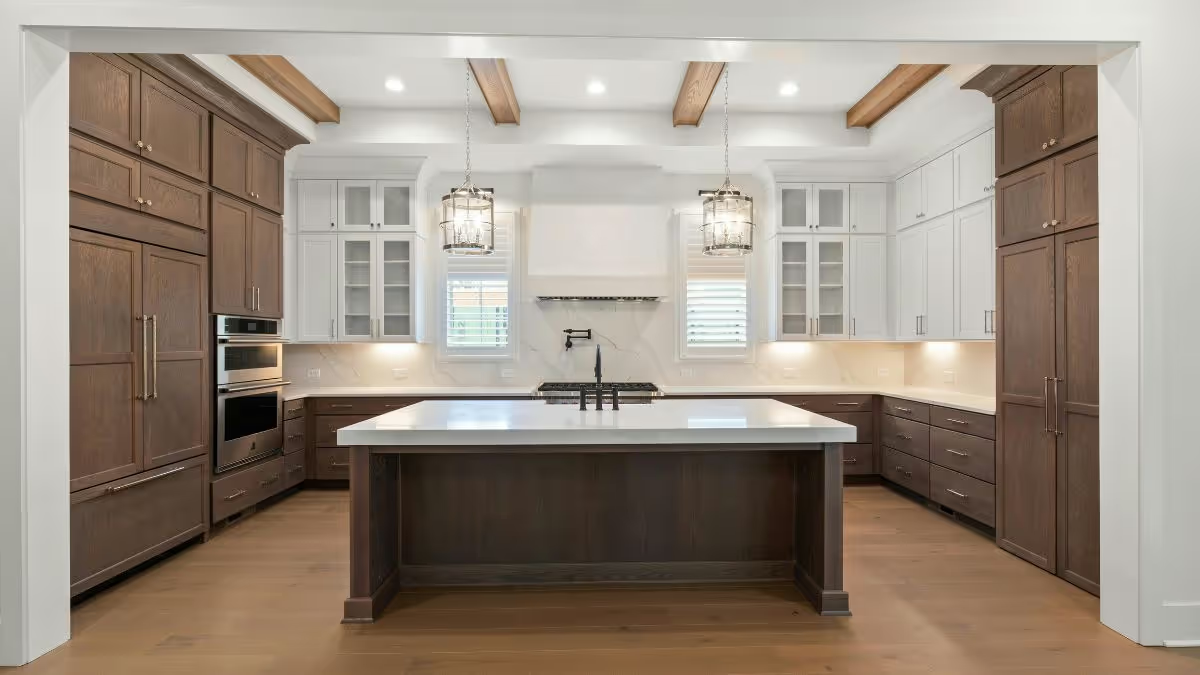
A dated kitchen does not always need a full demolition. For many Hampton Roads homeowners, the cabinet boxes are still solid, the layout works, and the real issue is an old finish, worn doors, or a color that no longer fits the home. In that situation, cabinet painting can create a major visual update without changing countertops, moving plumbing, or replacing every cabinet. But painting is not the right answer for every kitchen. The best decision starts with an honest assessment of the cabinets, the layout, and the result you want.
Cabinet painting, refinishing, refacing, and replacement solve different problems. Painting changes the visible finish. Refinishing can restore or update existing woodwork. Refacing keeps the cabinet boxes but changes doors and drawer fronts. Replacement allows a full redesign. Understanding the difference helps you invest in the option that matches the condition of your kitchen rather than paying for work that does not solve the real issue.
Start with the cabinet boxes, not the door color
The most important question is whether the cabinet boxes are structurally sound. Open doors and drawers, look under the sink, check around the dishwasher, and inspect the bottoms and corners of base cabinets. Signs of water damage, sagging material, mold, swelling, warped panels, or loose construction deserve attention before any finish decision is made. Paint can improve a sound cabinet, but it cannot correct a box that is failing.
If the boxes are stable and the layout works for your household, cabinet painting may be a strong option. Many kitchens have good bones even when the stain color, finish sheen, or hardware feels dated. A professional can assess whether the existing materials are suitable for prep and coating, identify areas that need repair, and explain what result is realistic for the door style and condition.
When cabinet painting is the right fit
Cabinet painting is often the best choice when you like the location and function of the kitchen but want a cleaner, more current appearance. It works especially well when the doors and drawer fronts are in good condition, the boxes are solid, and the finish is the main concern. A fresh cabinet color can change how the counters, backsplash, flooring, and wall paint feel together without forcing a complete renovation.
It is also a practical choice for homeowners preparing a home for sale or refreshing a kitchen before other updates. The work stays focused on the cabinetry instead of expanding into demolition, countertop removal, electrical changes, or a redesign. That does not mean it should be treated as a shortcut. The value of a professional cabinet project is in the preparation: cleaning, degreasing, sanding, repairs, primer selection, controlled application, and careful reinstallation of hardware and doors.
When refinishing may be a better answer
Cabinet refinishing can be a better fit when the goal is to renew existing woodwork rather than cover it with an opaque paint color. Some homeowners want to reduce wear, update a stain tone, refresh a clear coat, or preserve the look of natural wood. The right choice depends on the existing finish, wood species, damage, and desired result.
Refinishing and painting should not be confused. They require different preparation and finish systems, and the expected appearance is different. A consultation for cabinet refinishing should clarify whether the current cabinets can be restored attractively or whether painting would better achieve the homeowner's goal. The best recommendation is the one that respects the condition of the cabinets instead of forcing every kitchen into the same solution.
When refacing makes sense
Refacing is the middle option between painting and replacement. The existing cabinet boxes remain, but the doors and drawer fronts are replaced or covered with new material. It can make sense when the boxes are sound but the door style is the problem. For example, a homeowner may want a different profile, such as a simpler Shaker-style door, that paint alone cannot create.
Refacing can offer a more dramatic style change than painting while avoiding a full layout overhaul. However, it still does not fix a poor kitchen layout or damaged cabinet boxes. It is useful to compare it honestly with painting and replacement based on the visual goal, condition of the existing cabinetry, and how long you plan to keep the kitchen as it is.
When replacement is the right investment
Full replacement is appropriate when the underlying cabinets are damaged, when there is a persistent moisture issue, or when the layout does not support the way you use the kitchen. If you need more storage, a larger island, different work zones, new appliance locations, or major accessibility changes, a coating project cannot provide that. Replacement gives you the opportunity to redesign the room and change the construction itself.
It also brings more moving parts. New cabinets may affect countertops, flooring transitions, backsplash, plumbing, electrical work, appliance placement, and the overall project schedule. That can be the correct path, but it should be chosen because the kitchen needs a functional change, not just because the existing color is dated. If solid cabinetry already works well, keeping it and improving the finish may be the smarter scope.
Preparation determines whether cabinet paint looks professional
A lasting cabinet finish begins long before a topcoat is applied. Kitchen cabinets collect cooking residue, hand oils, cleaning product buildup, and wear around pulls, knobs, and edges. These contaminants can prevent adhesion if they are not removed properly. Surfaces may need cleaning, degreasing, sanding, repair, and the correct primer before the finish coats are applied.
Details matter. Doors and drawers should be labeled and handled carefully. Hardware removal and reinstallation need a plan. Gaps, dents, and worn edges should be addressed before paint highlights them. The final application method should suit the material, shape, and desired finish. This is why a professional cabinet painting project is more than changing a color. It is a controlled process designed to deliver a smooth, clean, usable result.
Questions to ask before requesting an estimate
Before choosing a direction, make a short list of what is not working in your kitchen. Is it the color, the door style, damaged material, lack of storage, or the layout itself? Are there water stains under the sink? Do drawers operate properly? Would new hardware and a finish update solve the problem, or do you need a different cabinet configuration? These answers make an estimate more useful because they help define the right scope from the beginning.
Chris Quality Painting serves Hampton Roads homeowners with cabinet painting, cabinet refinishing, and related interior painting services. If your cabinet boxes are sound and you want a fresh kitchen without a full replacement, request an on-site assessment. You will get a clearer picture of whether painting, refinishing, refacing, or replacement best fits the condition of your kitchen and the result you want.